It counts.
Direct patient care on a hospital floor, the kind admissions committees actually value. Not shadowing. Not paperwork. Bedside hours, verified by the supervising team.
A selective program placing pre-health students on real hospital care teams for direct patient care. Verified hours. Bedside skills. Recommendation relationships. No tuition, no fees, no dues.
Free to apply. Free to participate. You earn your place.
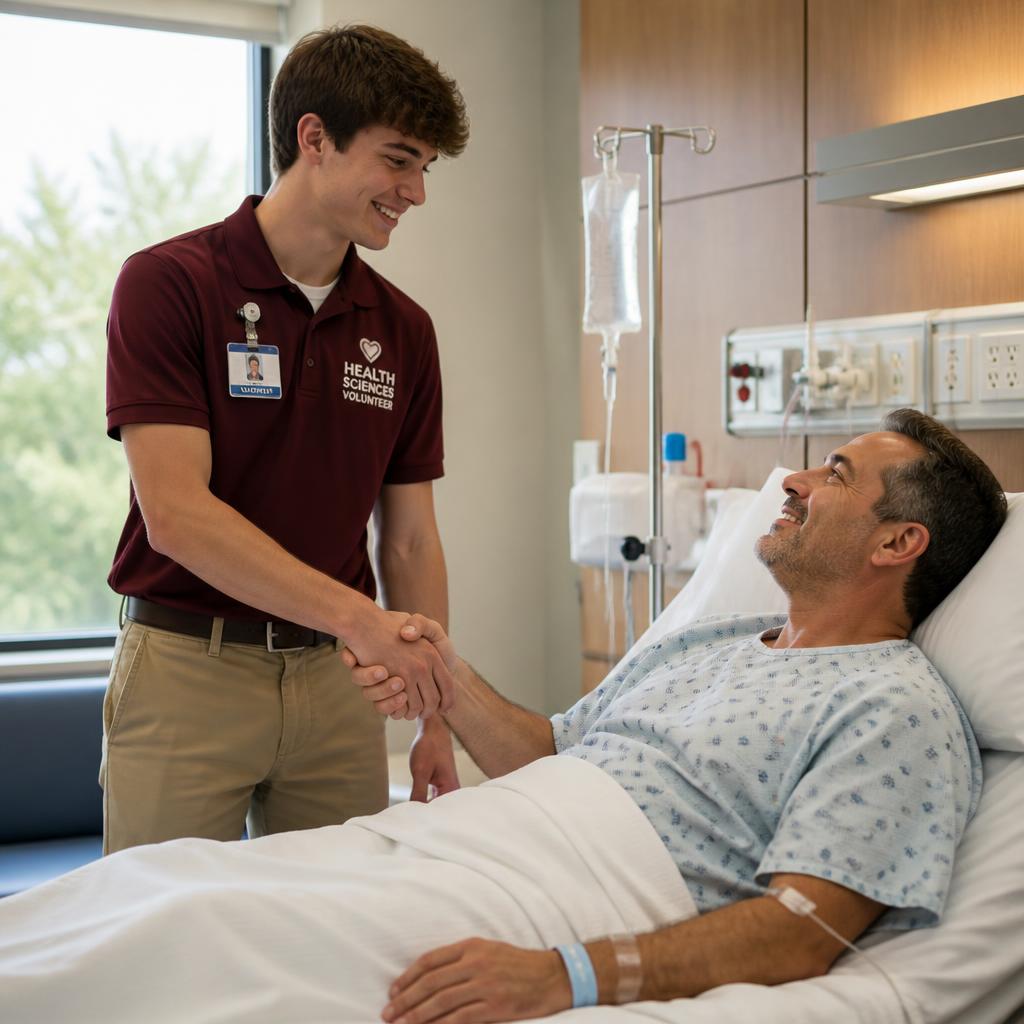
The premed problem
Shadowing is passive. Front desk and scribing are administrative. Admissions committees count direct patient care, hands-on contact with patients on a real care team. Those roles are scarce, often require a CNA or EMT first, or charge tuition to volunteer.
You shouldn't have to pay to give your labor. And you shouldn't have to guess whether your hours will hold up on an application.
"Will these hours actually count as clinical?"
"Am I running out of time before applications?"
"Do I really have to pay to volunteer at a hospital?"
"How do I get on a unit without a CNA or EMT cert?"
What you get
Direct patient care on a hospital floor, the kind admissions committees actually value. Not shadowing. Not paperwork. Bedside hours, verified by the supervising team.
You earn your spot through application and interview. Selectivity is the value, and it signals quality to schools, hospitals, and to the scholars sitting next to you.
No tuition. No application fee. No membership dues. Ever. Your work earns the experience. Nothing else should.
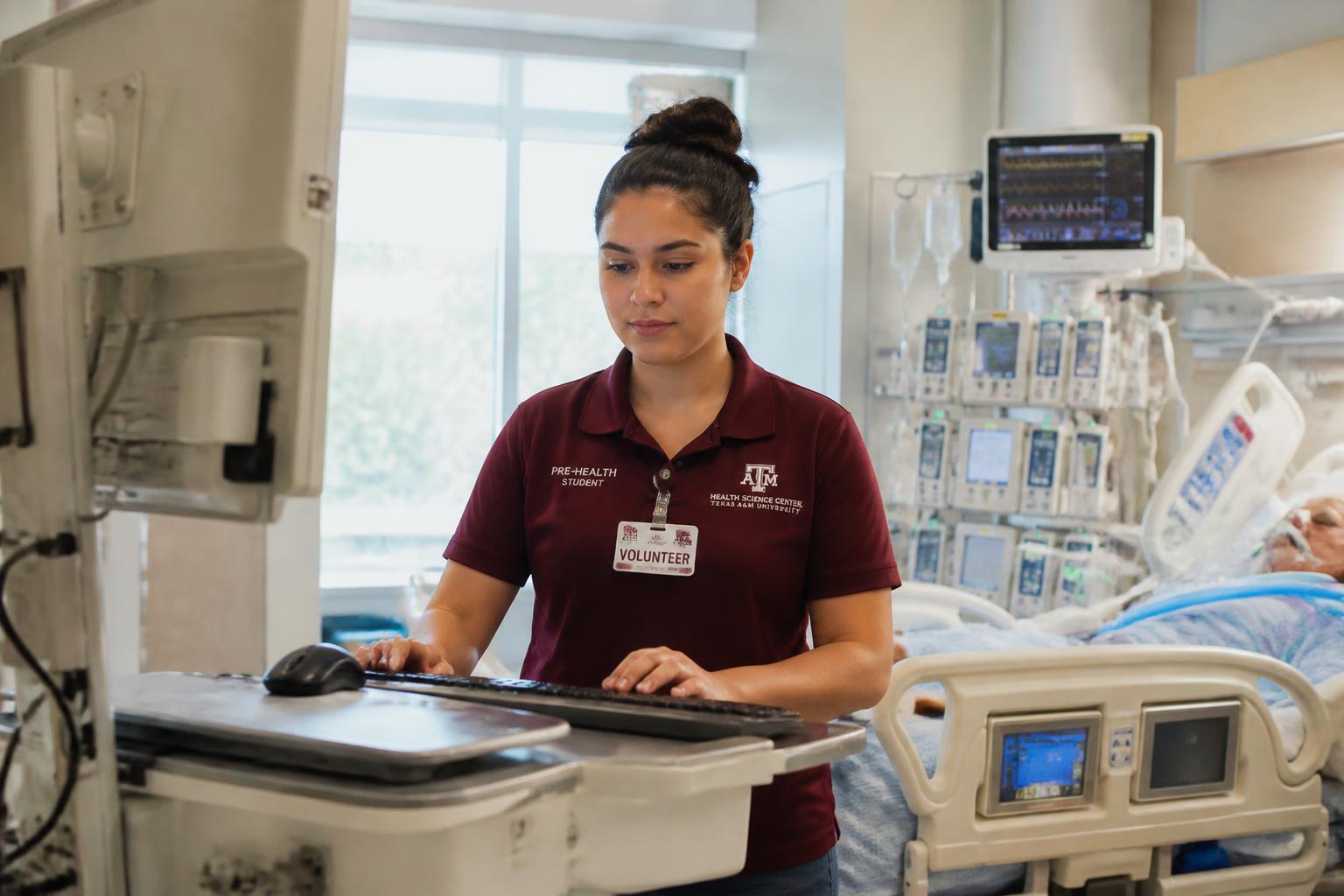
A day on the floor
You arrive in scrubs, badge in, and join the care team for your shift. The charge nurse points you to a unit. You spend the next four to eight hours in patient rooms, hands on, supervised, learning the rhythm of hospital care.
Departments scholars rotate through
Short online application. Free. Rolling cycles.
Interview, background check, health screening, BLS.
Hands-on training, HIPAA and safety certification.
Pick shifts from your phone. Hours verified on the spot.
Why it counts
Every shift is logged, verified by a supervising clinician, and totaled in your scholar record. You leave with a completion certificate, transcript-style hour report, and the kind of long-term relationships with clinicians that yield meaningful letters of recommendation.
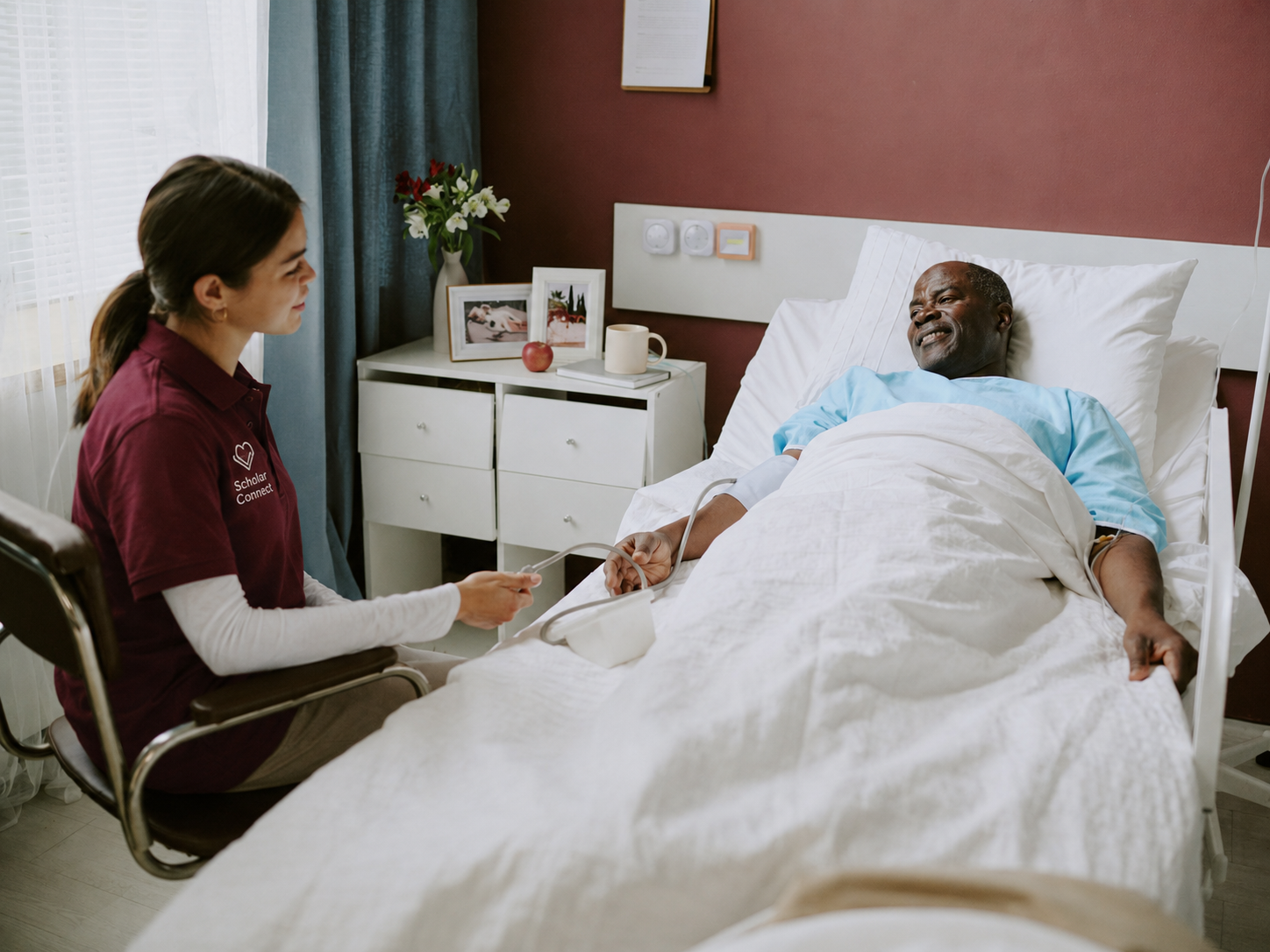
Scholar voices [placeholders]
The bedside relationships are why scholars stay, and why their letters land differently in admissions.
"I logged more verified clinical hours in one semester here than I had in two years of trying to piece things together. And I didn't pay a cent."
"The interview was real. The training was real. By week three I was the one the nurses asked for when a patient needed help getting up."
"My letter of recommendation came from a physician who had actually watched me work, not someone I shadowed for an afternoon."
Questions
If your question isn't here, ask it in your application. We read every one.